
Designing Emotional Learning Journeys
Designing Emotional Learning Journeys
Designing Emotional Learning Journeys
The classroom conflicts were visible. The real problem was that children had no words for what was happening inside them.
The classroom conflicts were visible. The real problem was that children had no words for what was happening inside them.
CONTEXT
CONTEXT
Rising classroom conflicts pointed to something harder to solve than behavior: 5 year old children could feel their emotions but couldn't name or communicate them. The result was agitation, black-and-white thinking, and peer friction that no amount of conflict resolution could address at the surface. Before designing an intervention, the emotional ecosystem: home, school, peer environments needed to be mapped to understand where feelings formed and where they broke down.
Rising classroom conflicts pointed to something harder to solve than behavior: 5 year old children could feel their emotions but couldn't name or communicate them. The result was agitation, black-and-white thinking, and peer friction that no amount of conflict resolution could address at the surface. Before designing an intervention, the emotional ecosystem: home, school, peer environments needed to be mapped to understand where feelings formed and where they broke down.
MY ROLE
MY ROLE
Designed and led the research approach
Designed and led the research approach
Facilitated parent participation
Facilitated parent participation
Synthesized emotional behavior patterns
Synthesized emotional behavior patterns
Co-created and implemented the classroom intervention
Co-created and implemented the classroom intervention
APPROACH
APPROACH
A 3-day parent-assisted diary study to capture emotional fluctuations across home and school contexts as they happened, not retrospectively.
A 3-day parent-assisted diary study to capture emotional fluctuations across home and school contexts as they happened, not retrospectively.
Emotional mapping across daily touchpoints to locate where agitation typically built and where it released.
Emotional mapping across daily touchpoints to locate where agitation typically built and where it released.
Thematic analysis of verbatim responses to stay close to children's own language.
Thematic analysis of verbatim responses to stay close to children's own language.
Ecosystem mapping across home, school, and external environments to surface the systemic patterns behind individual behavior.
Ecosystem mapping across home, school, and external environments to surface the systemic patterns behind individual behavior.
RESEARCH ARTIFACTS
RESEARCH ARTIFACTS
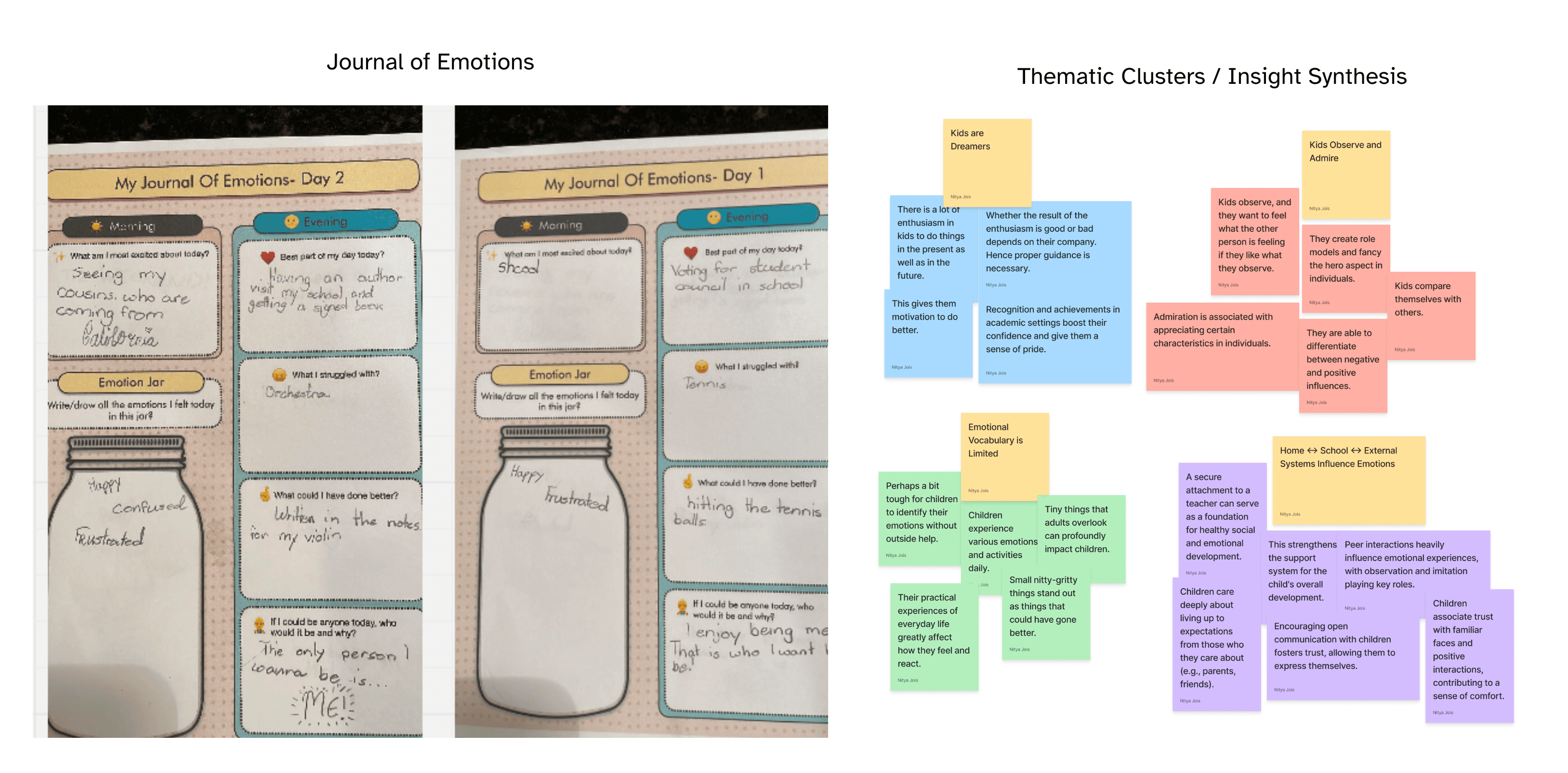
Emotional Journal & Insight Synthesis
Emotional Journal & Insight Synthesis
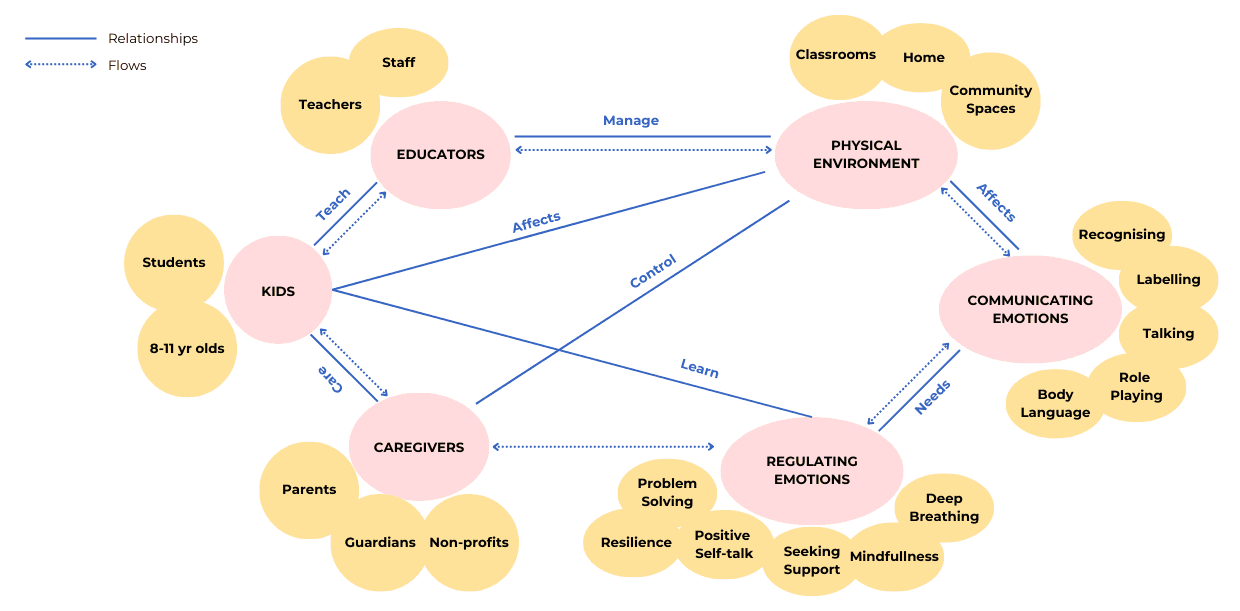
Ecosystem Map
Ecosystem Map
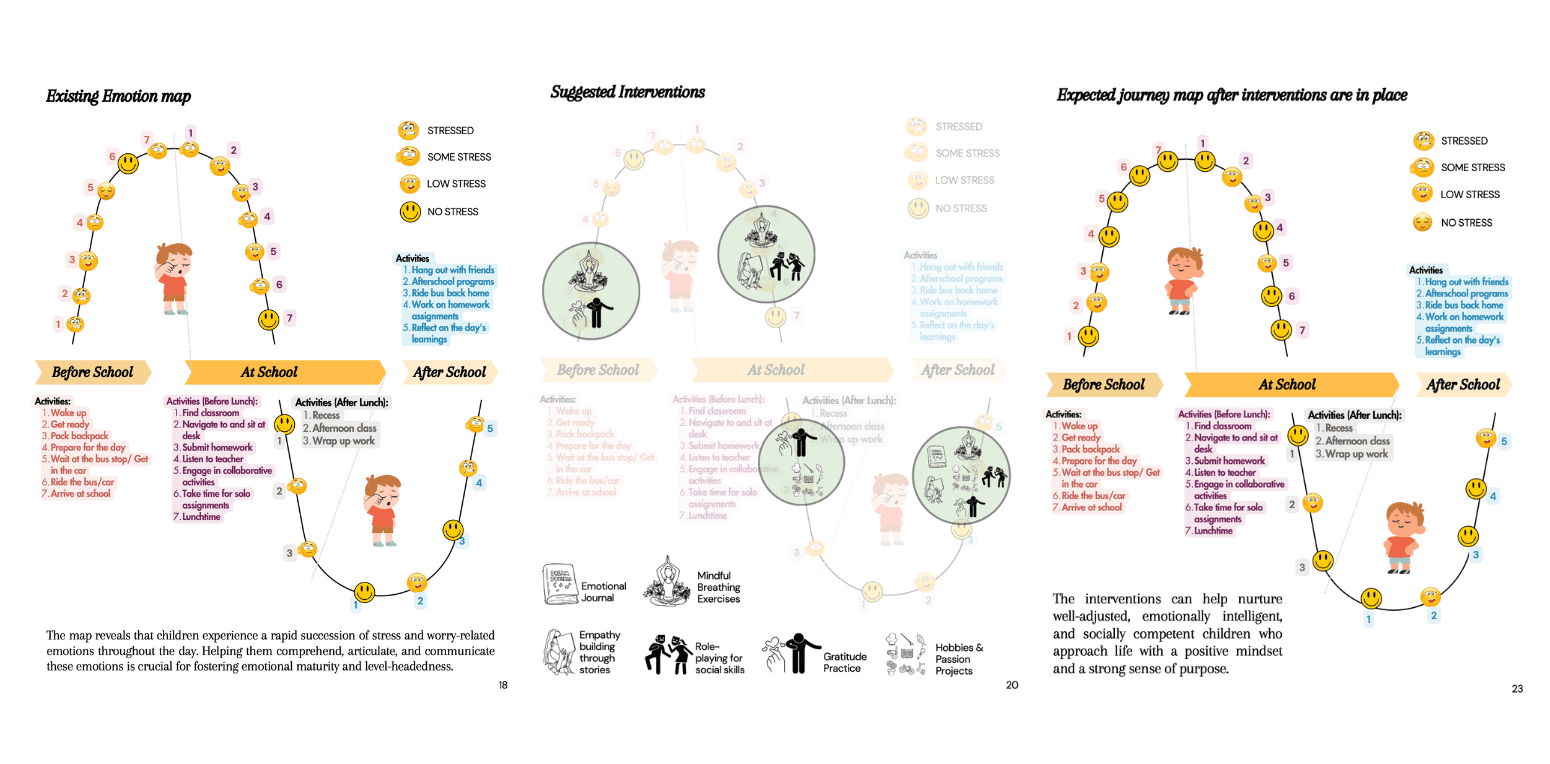
Emotional Journey Map
Emotional Journey Map
KEY INSIGHT
KEY INSIGHT
Children weren't emotionally unaware, they just lacked the vocabulary to translate internal states into communicable language.
Children weren't emotionally unaware, they just lacked the vocabulary to translate internal states into communicable language.
Emotional fluctuations weren't contained to one environment: home patterns carried into school, peer dynamics carried home.
Emotional fluctuations weren't contained to one environment: home patterns carried into school, peer dynamics carried home.
Any intervention that lived in only one context would lose continuity the moment children crossed between them.
Any intervention that lived in only one context would lose continuity the moment children crossed between them.
Consistency of language across environments was the design constraint.
Consistency of language across environments was the design constraint.
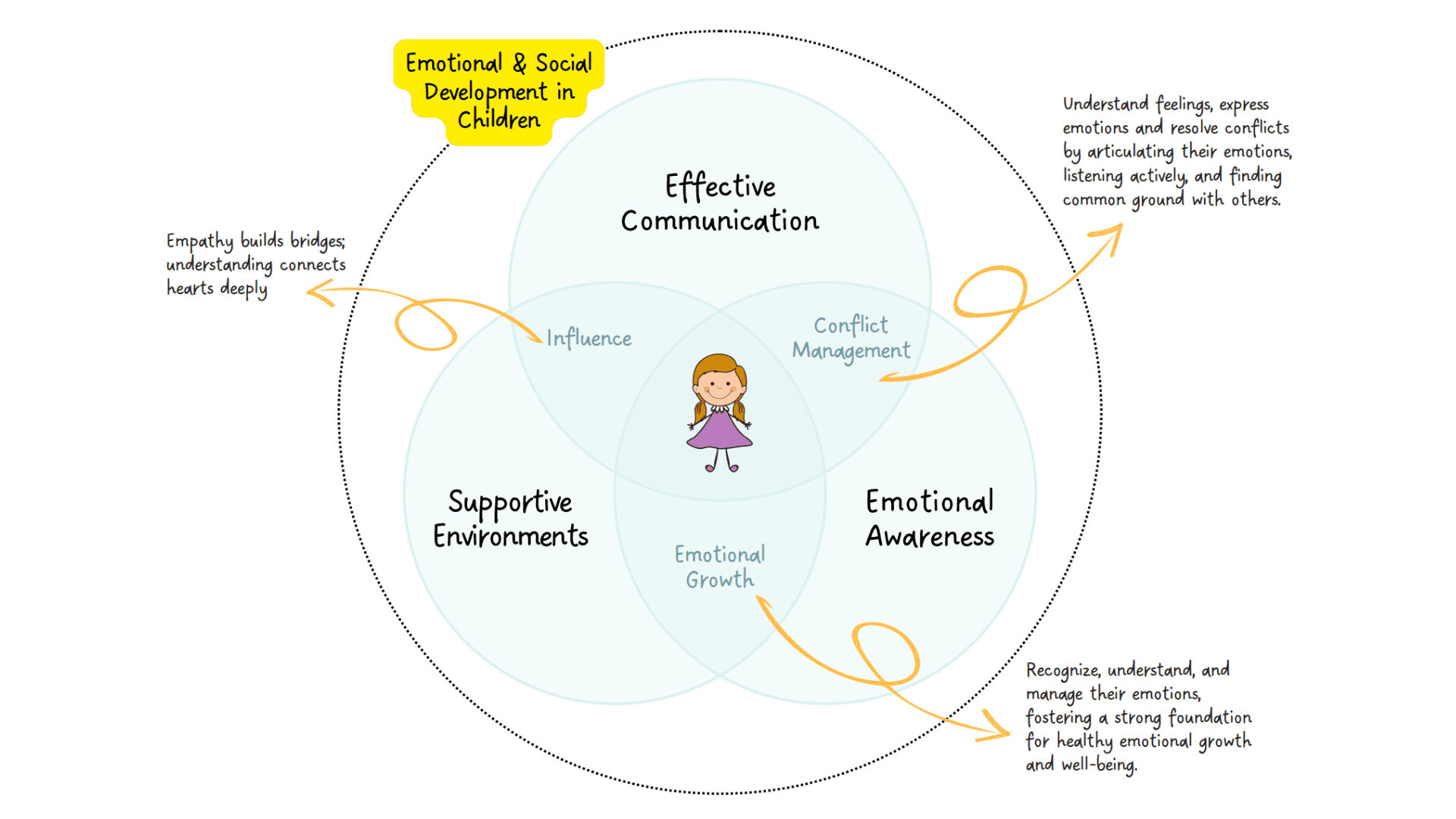
Solution Framework
Solution Framework
OUTCOME
OUTCOME
Co-developed an Emotional Dictionary: visual flashcards integrated into daily classroom routines rather than treated as a separate curriculum.
Co-developed an Emotional Dictionary, visual flashcards integrated into daily classroom routines rather than treated as a separate curriculum.
Morning emotional check-ins, circle time discussions, and end-of-day reflection gave children repeated, low-stakes practice using a shared emotional vocabulary. The intervention worked not because it taught emotions, but because it gave children the same language their environments could consistently reinforce.
Morning emotional check-ins, circle time discussions, and end-of-day reflection gave children repeated, low-stakes practice using a shared emotional vocabulary. The intervention worked not because it taught emotions, but because it gave children the same language their environments could consistently reinforce.
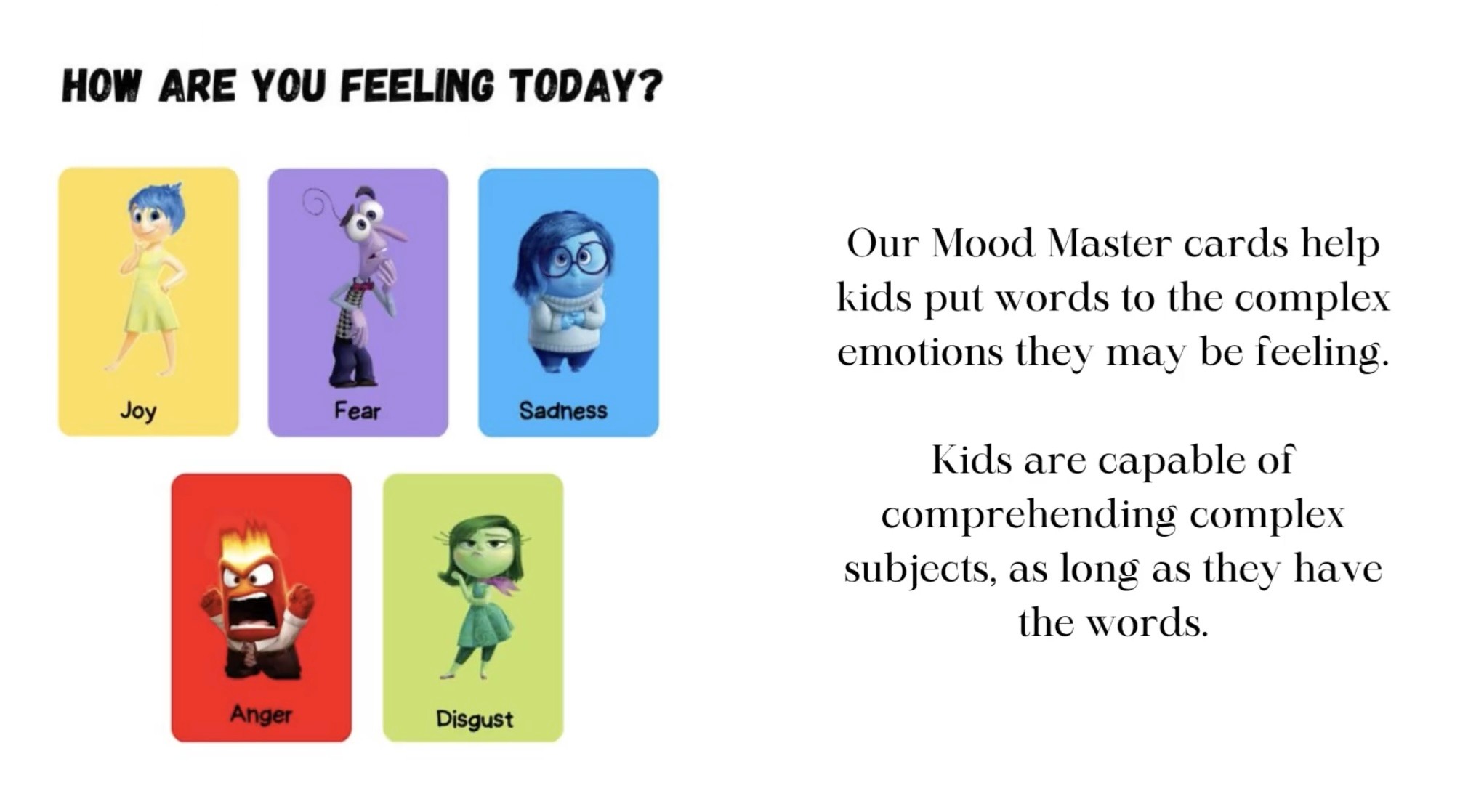
Intervention Artifacts: Emotional Dictionary Flashcards
Intervention Artifacts: Emotional Dictionary Flashcards
Open to new roles- Seattle & Remote
Looking for research and strategy roles where the insight
actually shapes what gets built, not just validates it after the fact.
Nitya Jois | Seattle WA
Open to new roles- Seattle & Remote
Looking for research and strategy roles where the insight actually shapes what gets built, not just validates it after the fact.
Nitya Jois | Seattle WA
Open to new roles- Seattle & Remote
Looking for research and strategy roles where the insight
actually shapes what gets built, not just validates it after the fact.
Nitya Jois | Seattle WA