
Mapping workplace movement ecosystems
Mapping workplace movement ecosystems
Sustainability installations don't fail because people don't care. They fail because they're placed where no one goes.
Sustainability installations don't fail because people don't care. They fail because they're placed where no one goes.
CONTEXT
CONTEXT
A large IT campus wanted to repurpose interior design waste into meaningful installations. The brief started as a circular economy problem. The real challenge was spatial: an installation that sits in the wrong location doesn't get ignored because it lacks meaning, it gets ignored because the building never sends anyone past it. Placement was the design problem.
A large IT campus wanted to repurpose interior design waste into meaningful installations. The brief started as a circular economy problem. The real challenge was spatial: an installation that sits in the wrong location doesn't get ignored because it lacks meaning, it gets ignored because the building never sends anyone past it. Placement was the design problem.
MY ROLE
MY ROLE
Contextual inquiry and observational research lead
Contextual inquiry and observational research lead
Mapped movement flows
Mapped movement flows
Audited reusable material inventory
Audited reusable material inventory
Informed spatial placement strategy for installations
Informed spatial placement strategy for installations
APPROACH
APPROACH
Four days of movement observation across peak and off-peak cycles to capture how people actually moved through the campus, not how the floor plan assumed they would.
Four days of movement observation across peak and off-peak cycles to capture how people actually moved through the campus, not how the floor plan assumed they would.
Four days of movement observation across peak and off-peak cycles to capture how people actually moved through the campus, not how the floor plan assumed they would.
Foot traffic pattern mapping to distinguish high and medium flow zones.
Foot traffic pattern mapping to distinguish high and medium flow zones.
Spatial synthesis aligning material availability with behavioral hotspots, so placement decisions were driven by where engagement was already happening, not where it was hoped for.
Spatial synthesis aligning material availability with behavioral hotspots, so placement decisions were driven by where engagement was already happening, not where it was hoped for.
RESEARCH ARTIFACTS
RESEARCH ARTIFACTS
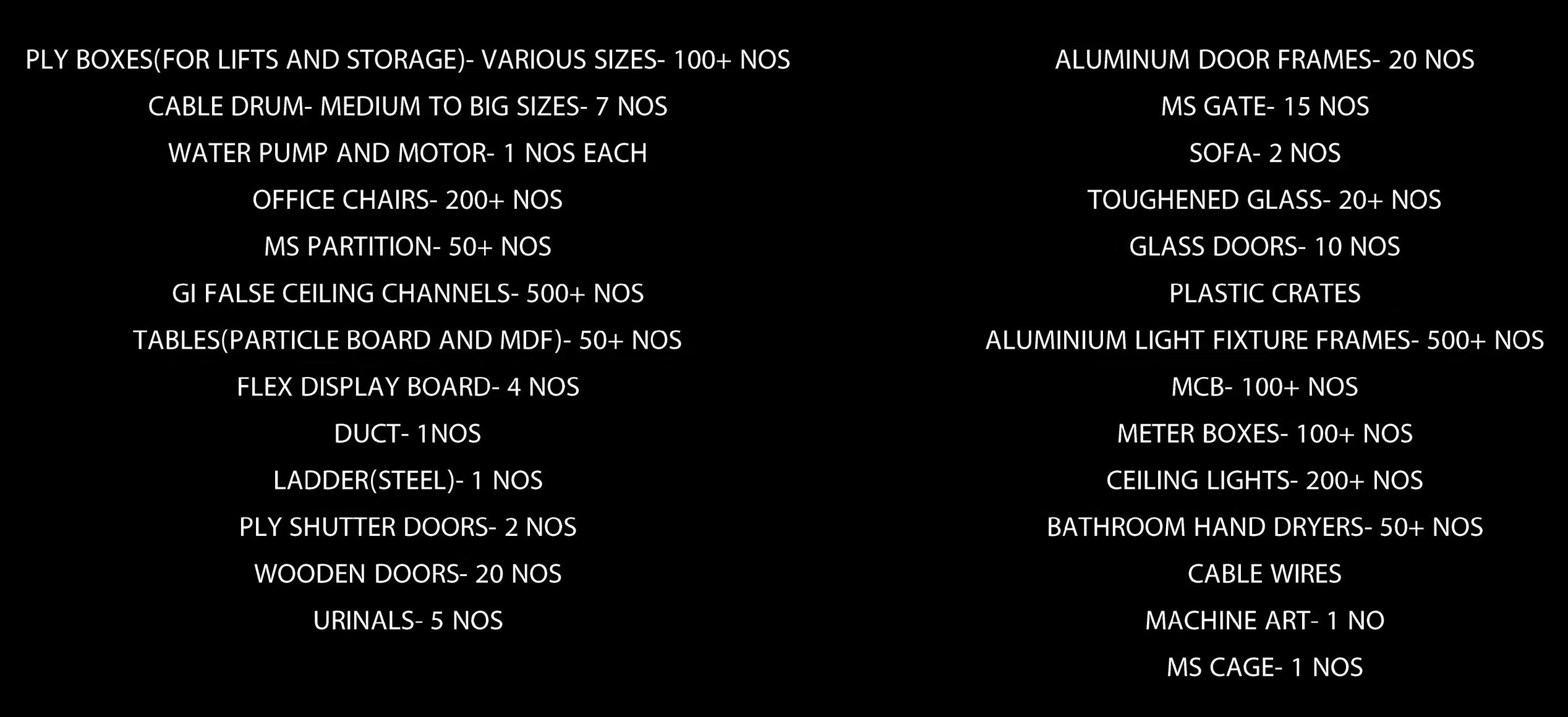
Material Audit & Reuse Mapping
Material Audit & Reuse Mapping
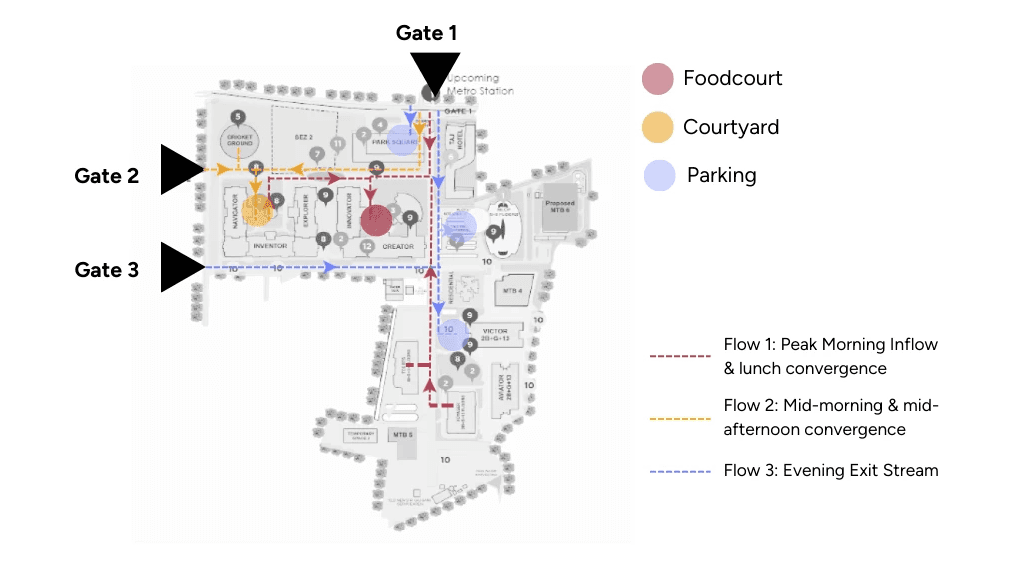
Movement Patterns
Movement Patterns
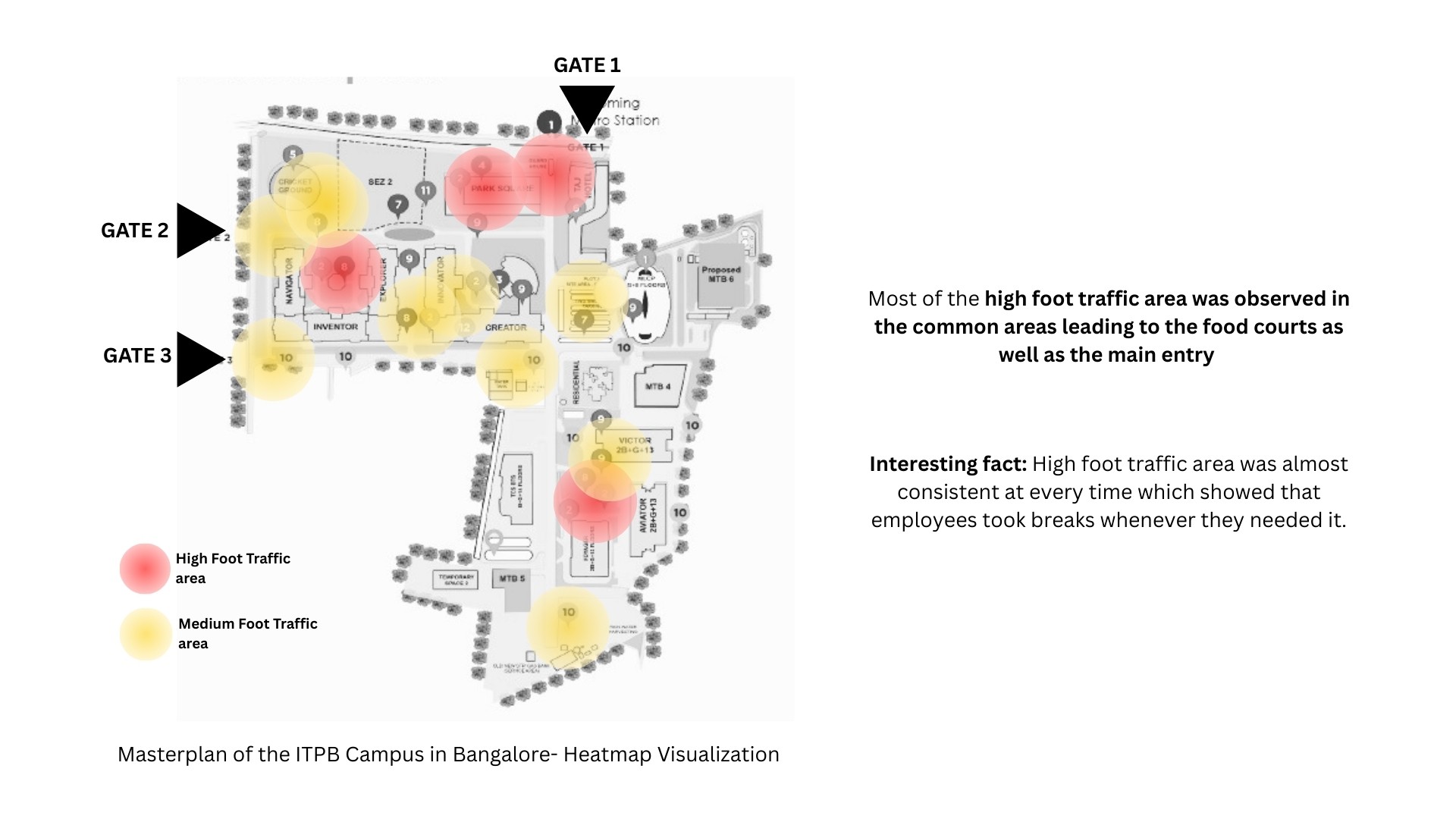
High & medium flow zone mapping
High & medium flow zone mapping
KEY INSIGHT
KEY INSIGHT
The campus wasn't short on reusable material or goodwill toward sustainability. What it lacked was a spatial logic for where interventions would land versus disappear.
The campus wasn't short on reusable material or goodwill toward sustainability. What it lacked was a spatial logic for where interventions would land versus disappear.
High-flow zones weren't just convenient, they were where informal gathering, pause, and interaction already existed.
High-flow zones weren't just convenient, they were where informal gathering, pause, and interaction already existed.
Strategic placement determined whether installations felt integrated into daily experience or installed for someone else to notice.
Strategic placement determined whether installations felt integrated into daily experience or installed for someone else to notice.
OUTCOME
OUTCOME
Interactive sculptures placed in identified movement corridors activated high-traffic areas without requiring behavioral change from occupants.
Interactive sculptures placed in identified movement corridors activated high-traffic areas without requiring behavioral change from occupants.
Engagement happened because the intervention met people where they already were.
Functional reuse of waste materials
Measurable increase in environmental engagement.
Full alignment with the campus sustainability mandate.
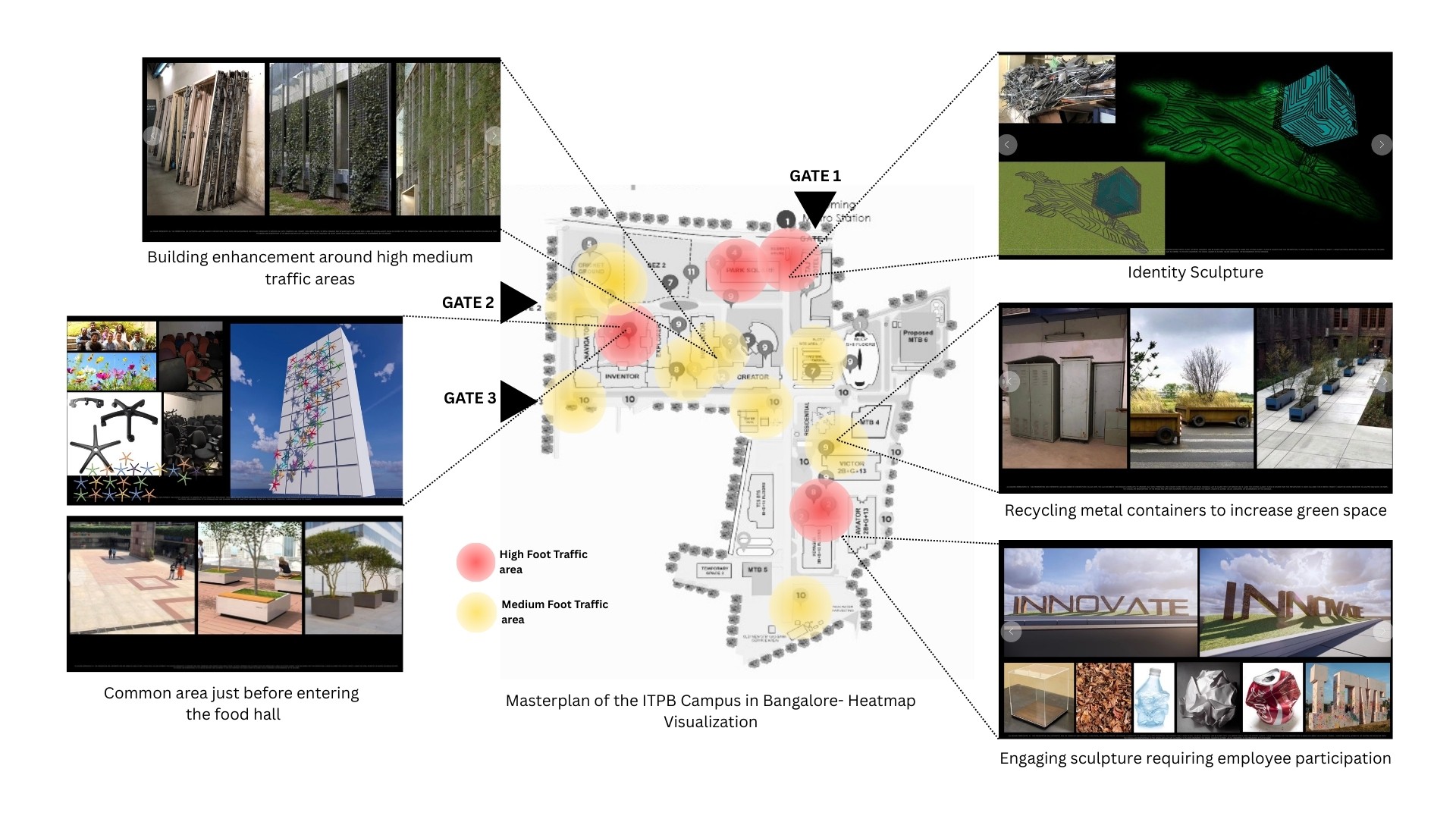
Intervention: Interactive Installation Placement Strategy
Intervention: Interactive Installation Placement Strategy
Open to new roles- Seattle & Remote
Looking for research and strategy roles where the insight
actually shapes what gets built, not just validates it after the fact.
Nitya Jois | Seattle WA
Open to new roles- Seattle & Remote
Looking for research and strategy roles where the insight
actually shapes what gets built, not just validates it after the fact.
Nitya Jois | Seattle WA
Open to new roles- Seattle & Remote
Looking for research and strategy roles where the insight actually shapes what gets built, not just validates it after the fact.
Nitya Jois | Seattle WA